WLS Reviews
Woodstock Literature Society: Dr Daniela Omlo
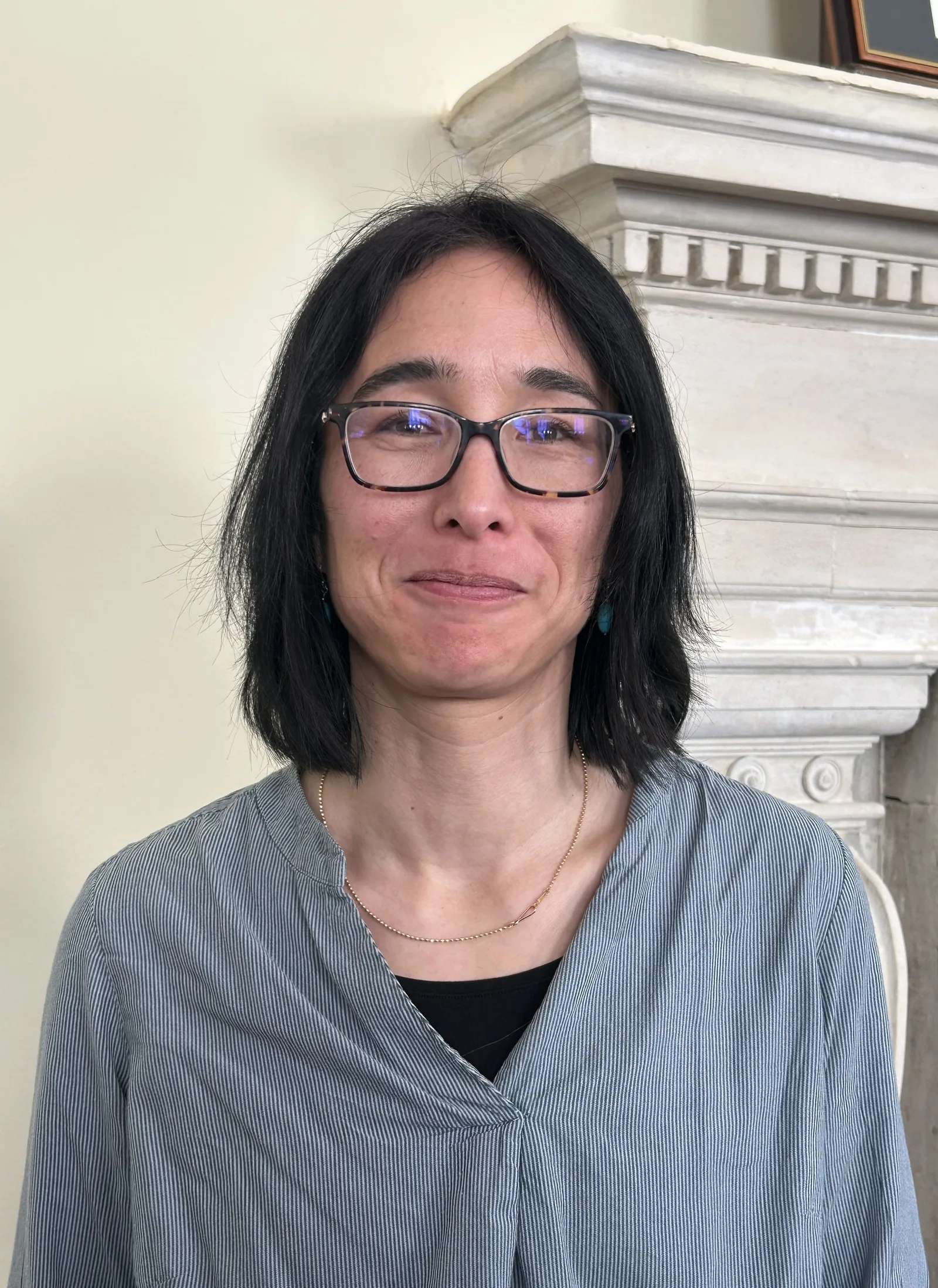
On 21 March Dr Daniela Omlor gave a talk on The Spanish Civil War and Beyond, looking at three Spanish novels published over the last 60 or so years. Dr Omlor began by outlining the history. In three years of war about half a million people were killed, and similar numbers displaced, with multiple war crimes. This was followed by 35 years of fascist dictatorship. When Franco died there was a general amnesty, political prisoners were released, and Spain became a liberal democracy. But the scars were deep, as always in civil wars. Three novels showed this in different ways.
Ana Maria Matute’s novel The Island was published in 1959, when censorship still applied. It shows a girl going through adolescence on an island (Mallorca, though it isn’t named) while the civil war rages on the mainland and other conflicts blaze up on the island. The novel is partly about growing up and losing innocence, but the war is never far away. Boys on the island fight their own battles. The slaughter of the island’s Jews in the seventeenth century provides a historical parallel to the suffering in the war. Persecution keeps repeating itself in different forms, although the novel’s liveliness keeps us engaged.
Javier Marias’ novel All Souls (1989) is set in Oxford and follows the adventures of a young Spanish lecturer and his eccentric colleagues: not immediately relevant to the civil war. But Marias himself had been affected by the war (his father, an active Republican, was at one time on the death list) and his characters show some of the traumatic impacts of war. They are not what they seem (one academic may be a spymaster, the college porter lives his mental life in different times), they always have to be careful what they say, and many of them (especially the narrator’s mistress) have a tragic history. It is very funny in parts (e.g. the chaos at a college dinner) but death and deception are never far away.
Amnesties, however necessary, leave a lingering worry that the truth is never properly told and the victims never properly mourned. Javier Cercas’s novel Soldiers of Salamis (2001) deals with this. It shows a journalist trying to establish what actually happened when a Falangist prisoner miraculously escaped a firing squad in the last weeks of the war. He eventually finds (or thinks he finds) the aged former soldier who let his enemy live. But the old man never admits to it: for him there are no heroes, only the many dead. Perhaps the journalist is only perpetuating a myth: ‘Reality always ends up betraying us’.
It was an interesting talk, which attracted a good audience, many of whom bought the books: they are all well worth reading, and translations of all the novels are available in paperback.
Steven Bliss